Brick homes can be painted safely when the right products, preparation steps, and application methods are used. Painting brick can give a home a fresh new look, improve curb appeal, and help update an older exterior. But brick is different from siding, trim, or drywall because it is porous and naturally absorbs moisture.
Because brick can hold and release moisture, it must be treated carefully before painting. If the wrong paint is used or the surface is not prepared correctly, moisture can become trapped under the coating. This can lead to peeling paint, bubbling, mildew, damaged mortar, and other long-term problems.
Why Brick Needs Special Care Before Painting
Brick is a breathable material. It allows moisture to move in and out of the surface. This is one reason bricks can last for many years when they are maintained properly. When paint is applied, it changes the way the brick handles moisture.
A safe brick painting project should allow the brick to stay protected while reducing the risk of trapped water. This means the surface should be clean, dry, repaired, and coated with products made for masonry surfaces.
Why Moisture Is The Main Concern
Moisture is the biggest issue when painting brick. Water can enter brick through cracks, damaged mortar, roof runoff, poor drainage, sprinklers, or humidity. If paint traps that moisture inside, pressure can build under the coating.
Over time, trapped moisture may cause paint to peel, blister, or flake. It may also contribute to mildew or damage the brick and mortar underneath. Fixing moisture issues before painting helps protect the home.
When Painting Brick Can Be A Good Choice
Painting brick can be a good choice when the brick is in stable condition and the homeowner wants a cleaner or more updated exterior. It can help cover unattractive brick colors, stains, uneven tones, or older surfaces that no longer match the home’s style.
Painted brick can also create a brighter and more modern appearance. Popular colors include warm white, soft gray, cream, beige, and muted earth tones. These shades can make a home feel fresh while still keeping a classic look.
When Brick Should Not Be Painted Yet
Brick should not be painted if it is wet, crumbling, heavily cracked, or showing signs of serious moisture damage. Painting over damaged brick can hide the problem for a short time, but the damage may continue underneath.
Before painting, loose mortar, cracks, mildew, efflorescence, and drainage issues should be addressed. A professional inspection can help determine if the brick is ready for paint.
How To Paint Brick Safely
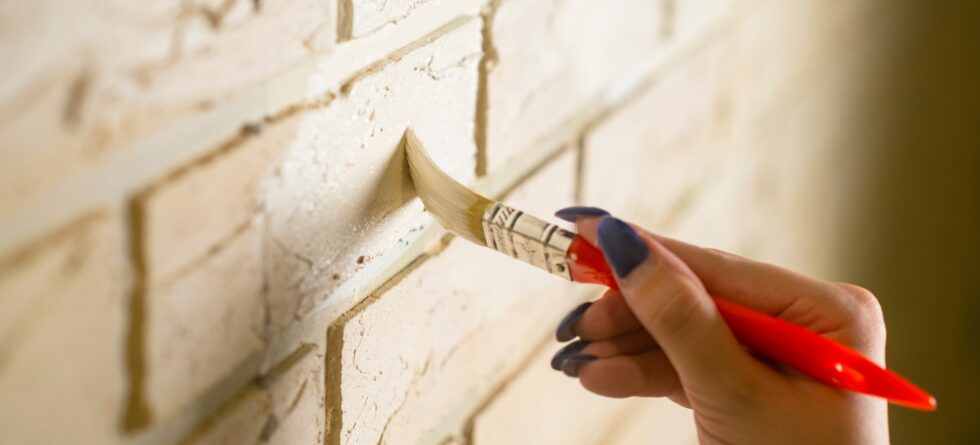
Safe brick painting begins with cleaning. Dirt, mildew, chalky residue, and loose debris should be removed before any coating is applied. After cleaning, the brick must dry completely. Painting damp brick is one of the most common causes of paint failure.
Next, cracks and damaged mortar should be repaired. Any gaps that allow water inside the wall should be fixed before painting. Once the surface is clean and stable, a masonry primer may be needed to help the paint bond correctly.
Use The Right Paint Product
Not all exterior paint is right for brick. Brick usually needs a breathable masonry coating or high-quality exterior paint designed for masonry surfaces. The right product can help protect the brick while reducing the risk of trapped moisture.
A professional painter can recommend a coating based on the age of the brick, condition of the mortar, local weather, and the look you want. Product choice is one of the most important parts of safe brick painting.
Painted Brick Requires Maintenance
Once the brick is painted, it will need ongoing care. Painted brick may need cleaning, touch-ups, caulk checks, and repainting over time. This is different from natural brick, which usually needs less repainting maintenance.
Homeowners should check painted brick regularly for peeling, bubbling, cracking, stains, mildew, or moisture marks. Catching small problems early can prevent larger repairs later.