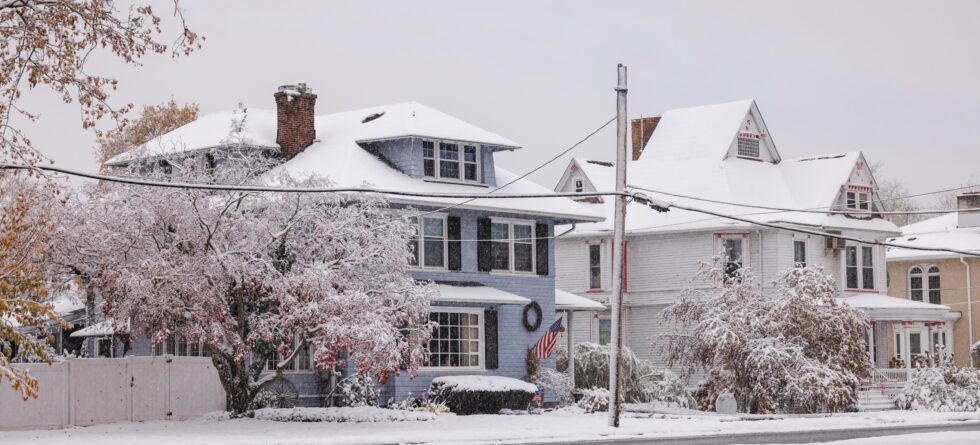
Painting a house in winter is possible, but it depends on the weather, the type of paint, the surface condition, and the project location. Winter painting requires more planning than painting during warmer months because cold air, moisture, wind, and shorter daylight can affect how paint dries and bonds to the surface.
For exterior painting, winter conditions can make the project more challenging. Paint needs the right temperature range to spread smoothly, dry properly, and form a strong protective finish. If the surface is too cold or damp, the paint may not stick well. This can lead to peeling, cracking, bubbling, or uneven coverage later.
When Winter Painting Can Work
Winter painting can work when the weather is mild, dry, and stable. Some modern exterior paints are made to perform better in cooler temperatures, but they still need the right conditions. A professional painter will check the forecast, surface temperature, humidity, and drying time before starting the job.
Interior painting is usually easier during winter because indoor spaces can be controlled. Heat, airflow, and humidity can be adjusted to help paint dry properly. This makes winter a good time for painting bedrooms, living rooms, kitchens, bathrooms, hallways, trim, doors, and ceilings.
Why Surface Temperature Matters
The air may feel warm enough, but the surface itself can still be too cold. Siding, trim, doors, and other exterior materials can hold cold from overnight weather. If paint is applied before the surface warms up, the finish may not cure correctly.
A good painter will not only look at the weather outside. They will also consider how the surface feels and how long it will stay within the proper painting conditions.
Challenges Of Exterior Painting In Winter
Cold weather can slow the drying process. Paint that stays wet for too long may collect dust, dirt, or moisture before it has time to cure. Wind can also blow debris onto wet paint and create an uneven finish.
Moisture is another concern. Frost, dew, rain, snow, and damp surfaces can all prevent paint from bonding properly. Even a surface that looks dry may still hold hidden moisture. Painting over moisture can cause problems after the project is finished.
Shorter Daylight Can Affect Scheduling
Winter days are shorter, which gives painters less time to prepare, apply paint, and allow surfaces to dry in safe conditions. This can make exterior projects take longer. Careful scheduling helps reduce the risk of painting too late in the day when temperatures begin to drop again.
Why Interior Painting Is Popular In Winter
Winter is often a smart time for interior painting. Many homeowners spend more time indoors during colder months, so they notice worn walls, outdated colors, scuffed trim, and rooms that need a refresh. Painting inside can make the home feel brighter, cleaner, and more comfortable.
Interior painting can also be easier to schedule during winter because exterior painting demand may be lower. Homeowners can use this season to update rooms before spring cleaning, home events, or future remodeling plans.
How To Reduce Indoor Paint Odors
Good ventilation is still important during winter interior painting. Open windows when possible, use fans carefully, and choose low-odor or low-VOC paint when appropriate. Keep children, pets, and sensitive family members away from freshly painted rooms until the paint has dried and the smell has faded.
How To Make Winter Painting More Successful
The key to winter painting is patience. The project should only move forward when conditions are right. Surfaces should be clean, dry, and properly prepared before paint is applied. Cracks, peeling paint, gaps, and damaged areas should be repaired first.
Choosing the right paint is also important. Not all paint products are suitable for cooler weather. A painting contractor can recommend products that match the season, surface, and project goals.