Interior painting can take different amounts of time depending on the size of the space, the number of rooms, the condition of the walls, and the amount of preparation needed. A small room with clean walls may be finished quickly, while a larger home with repairs, trim work, ceilings, or detailed areas may take longer.
Many homeowners think painting only means rolling color onto the walls, but a quality interior paint job includes several steps. The room must be prepared, furniture should be protected, surfaces may need repairs, and paint must have time to dry properly. Each part of the process helps create a cleaner and longer-lasting finish.
What Affects The Interior Painting Timeline
The size of the room is one of the biggest factors. A bedroom, bathroom, hallway, or small office usually takes less time than a large living room, kitchen, stairway, or open floor plan. More wall space means more preparation, more cutting in around edges, and more paint application.
The condition of the walls also matters. If the walls are smooth and clean, the project can move faster. If there are nail holes, dents, cracks, stains, peeling paint, or rough patches, the painter will need extra time to repair and prepare the surface before painting begins.
Why Prep Work Takes Time
Preparation is one of the most important parts of interior painting. This may include moving furniture, covering floors, removing wall plates, cleaning walls, patching holes, sanding repairs, taping edges, and applying primer when needed.
Skipping preparation may save time at first, but it can lead to uneven paint, visible flaws, poor adhesion, and early touch-ups. A careful painting process helps the finished room look smoother and more professional.
How Paint Drying Time Affects The Project
Paint needs time to dry between coats. Drying time can depend on the paint product, room temperature, humidity, airflow, and the type of surface being painted. If a second coat is applied too soon, the finish may not look even or may not cure correctly.
Good airflow can help paint dry more comfortably, but strong fans should not blow dust onto wet walls. The room should have enough ventilation to reduce odors and support proper drying. This is especially helpful in bathrooms, kitchens, and rooms with limited windows.
Why Multiple Coats May Be Needed
Some rooms need more than one coat of paint for smooth and even coverage. A major color change, stained walls, patched areas, or low-quality old paint may require extra attention. Using quality paint can help improve coverage and reduce the need for repeated touch-ups.
What Happens During Interior Painting
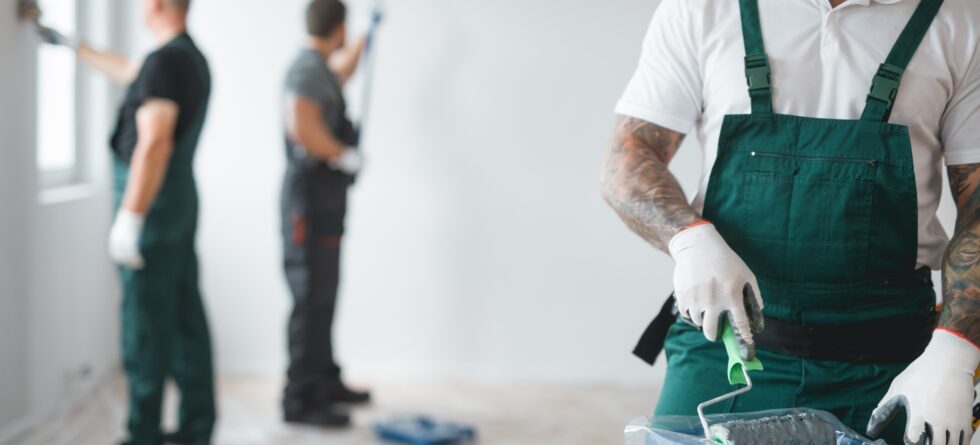
The process usually begins with room preparation. Furniture may be moved away from walls or covered. Floors, fixtures, counters, cabinets, and belongings should be protected from paint splatter. The painter may then inspect the walls and repair small surface problems.
After the surface is ready, the edges are carefully painted with a brush. This step is often called cutting in, and it helps create clean lines around trim, ceilings, corners, windows, and doors. Larger wall areas are then painted with a roller for smooth coverage.
Trim & Detail Work Can Add Time
Trim, baseboards, doors, windows, crown molding, and built-in features require careful brushwork. These details can make a room look polished, but they take more time than painting flat walls. A room with many details will usually take longer than a simple open space.
How Homeowners Can Help The Project Move Smoothly
Homeowners can help by clearing small items from the room before the painter arrives. Removing wall decor, fragile items, curtains, and loose objects can make setup easier. It is also helpful to choose paint colors before the project begins so there are no delays.
Pets and children should be kept away from freshly painted areas. This helps protect the paint finish and keeps everyone safer during the project. Once the paint has dried and the room has aired out, furniture and decor can be returned.