Painting the exterior of a home can improve appearance while helping protect surfaces from weather and environmental exposure. But applying paint is only one part of the process. Proper preparation before painting is often one of the most important factors in achieving a durable and attractive finish.
Skipping preparation steps may affect how paint adheres to surfaces and could shorten the lifespan of the paint job. Understanding how to prepare a house for exterior painting can help homeowners create stronger and longer-lasting results.
Inspect The Exterior Surfaces
Before painting begins, it is important to examine the condition of the home’s exterior. Surfaces should be checked for visible damage, peeling paint, cracks, moisture issues, and other areas that may require attention.
Inspecting the exterior early can help identify problems that should be repaired before paint is applied. Addressing small issues beforehand may help prevent larger concerns later.
Clean The Surfaces Thoroughly
Exterior walls naturally collect dirt, dust, pollen, mold, mildew, and other debris over time. Painting over these materials may prevent paint from adhering properly and could affect the final appearance.
Cleaning the surfaces helps create a fresh foundation for painting. Removing buildup can also reveal hidden damage that may not have been visible before cleaning.
Allowing surfaces to dry completely after cleaning is also important before moving forward with additional preparation steps.
Remove Loose Or Peeling Paint
Old paint that is cracking, peeling, or flaking should be removed before applying a new coat. Painting over damaged paint may create an uneven surface and reduce the lifespan of the new finish.
Removing loose material helps create a more stable surface for the new paint layer. Smoother surfaces often support stronger paint adhesion and a more consistent appearance.
Repair Damaged Areas
Cracks, holes, damaged trim, and other surface issues should be repaired before painting begins. Existing damage may continue to worsen if it is simply covered with paint.
Repairing damaged areas creates a smoother surface and can help protect the home from moisture and weather exposure. Proper repairs also contribute to a cleaner final appearance.
Sand Rough Surfaces
Sanding helps smooth uneven areas and creates a more consistent surface texture. Rough spots and paint edges can become noticeable after painting if they are not properly addressed beforehand.
Light sanding may also help improve how well new paint bonds with existing surfaces. Creating a smooth surface often helps improve the overall finish.
Protect Nearby Areas
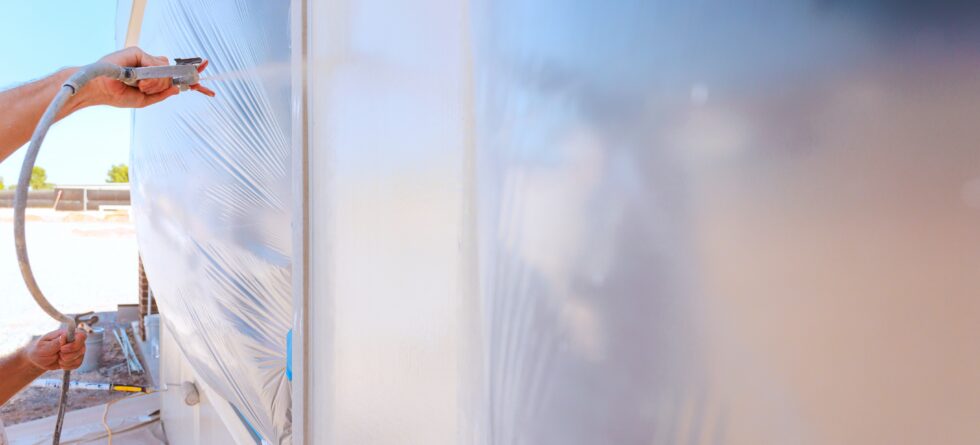
Preparing for exterior painting also includes protecting surrounding areas around the home. Windows, doors, landscaping, outdoor furniture, and walkways may benefit from protective coverings before work begins.
Taking precautions can help reduce accidental paint exposure and make cleanup easier after the project is complete.
Apply Primer When Necessary
Certain surfaces may benefit from applying primer before paint. Bare materials, repaired sections, and areas with major color changes may require additional preparation before the final paint coat is applied.
Primer can help create a more even surface while improving paint adhesion and coverage.
How to Prepare a House for Exterior Painting?
Preparing a house for exterior painting involves more than simply choosing a color and opening a paint can. Cleaning, repairing, sanding, and properly preparing surfaces all contribute to better paint performance and a longer-lasting finish.
Taking time to complete preparation steps can help improve both appearance and durability. A properly prepared surface creates a stronger foundation that allows exterior paint to protect and enhance a home more effectively over time.