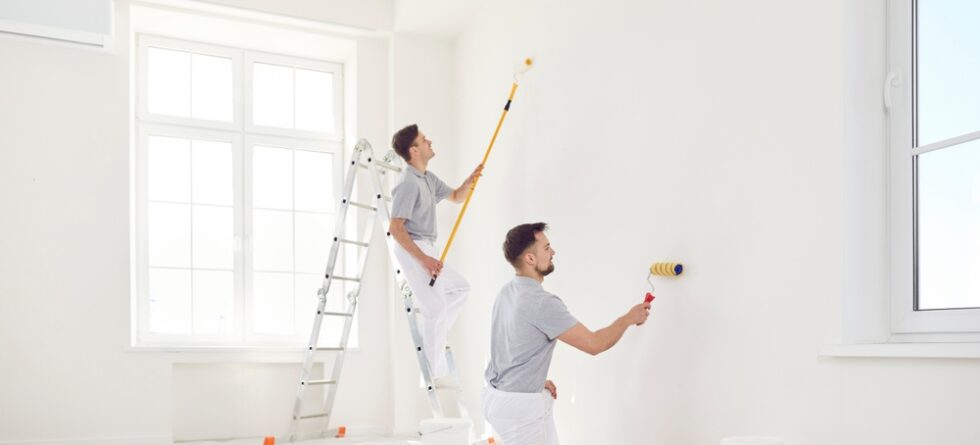
Paint can make your home feel fresh, clean, and updated, but the smell that comes with painting can be uncomfortable. Paint odors can linger in rooms, especially when airflow is poor or when the wrong products are used. The good news is that simple planning can help reduce strong smells and make the painting process more comfortable for everyone in the home.
Reducing paint odors starts before the first coat goes on the wall. The type of paint, the room setup, the airflow, and the drying time all play an important role. With the right steps, you can enjoy a newly painted space without dealing with heavy fumes for too long.
Choose Low-Odor Paint Products
One of the best ways to reduce paint odors is to choose low odor or low VOC paint. VOC means volatile organic compounds, which are chemicals that can release fumes into the air as paint dries. Low-VOC paint usually has less smell than traditional paint and can be a better choice for indoor rooms.
Low-odor paint is especially helpful for bedrooms, living rooms, nurseries, home offices, and other spaces used often. It can also be a smart option for homes with children, older adults, pets, or people who are sensitive to strong smells.
Ask About The Right Paint Finish
Different paint finishes can have different odor levels and drying needs. A good paint choice should match the room and the surface. Kitchens, bathrooms, trim, and high-traffic areas may need a stronger finish, while bedrooms and quiet spaces may work well with softer finishes.
Improve Ventilation Before Painting
Fresh air is very important when painting indoors. Open windows and doors when weather allows. Use fans to help move air out of the room, but place them carefully so they do not blow dust onto wet paint. Better airflow can help paint dry properly and reduce odors faster.
If the room has limited windows, keep nearby doors open to allow air to move through the home. Airflow should continue while painting and after the job is finished. This helps carry odors out instead of letting them settle inside.
Use Fans Safely
Fans can help reduce paint smells, but they should be used with care. Place a fan near a window to push air outside. Avoid pointing strong airflow directly at freshly painted walls because it may affect the finish or spread dust.
Prepare The Room Properly
A clean room can make the painting process smoother and more comfortable. Remove unnecessary items, cover furniture, and clean surfaces before painting begins. Dust, dirt, and old odors can mix with paint smells and make the room feel less fresh.
Keep paint cans closed when they are not being used. Open containers can release more odor into the room. Pour only what is needed into a tray, then close the can tightly until more paint is needed.
Give Painted Rooms Time To Dry
Paint odor usually becomes weaker as the paint dries and cures. Avoid moving back into the room too quickly, especially if the smell is still strong. Let the space air out before sleeping, working, or spending long periods of time there.
Drying time can depend on the paint type, humidity, temperature, and airflow. A room with poor ventilation or high humidity may hold odors longer. Keeping air moving can help the space feel fresher sooner.
Keep Sensitive Family Members Away
Children, pets, and people with breathing sensitivities should stay away from freshly painted rooms until the smell has faded and the paint has dried. This simple step can make the project safer and more comfortable.
Control Humidity & Temperature
Humidity can slow drying and make odors last longer. A room that is too damp may keep paint from drying evenly. Using proper airflow and keeping the room at a comfortable temperature can support better drying.
If the air feels heavy or damp, a dehumidifier may help. A dry and comfortable room can reduce odor buildup and improve the final paint result.
Clean Up Paint Supplies Quickly
After painting, clean brushes, rollers, trays, and tools as soon as possible. Remove used tape, coverings, and empty containers from the room. Paint-covered supplies can continue to release odors even after the walls are finished.
Store leftover paint in a sealed container and keep it in a safe, suitable area away from living spaces. Proper storage helps control odors and keeps paint ready for future touch-ups.
Reducing Paint Odors
Reducing paint odors inside your home is easier when you choose low-odor paint, improve airflow, prepare the room, and allow enough drying time. These steps can make indoor painting more comfortable and help your home feel fresher sooner.
A fresh paint job should improve your space, not make it unpleasant to use. With thoughtful product choices and proper ventilation, you can enjoy a cleaner look while keeping indoor air more comfortable during and after the project.