Choosing between spray painting and brush and roller painting can make a big difference in how your project looks, how long it takes, and how much preparation is needed. Both methods can create beautiful results when used correctly. The best choice depends on the surface, the project size, the finish you want, and the level of control needed.
Spray painting uses a paint sprayer to apply a fine mist of paint over a surface. Brush and roller painting uses hand tools to spread paint directly onto walls, trim, siding, doors, or other surfaces. Each method has strengths, and each one also has limits. Understanding the difference can help homeowners make smarter choices before starting a painting project.
What Is Spray Painting
Spray painting is a method where paint is applied through a sprayer. It can cover large areas quickly and create a smooth, even finish when handled by a skilled painter. This method is often used for exterior siding, fences, cabinets, doors, furniture, and large open surfaces.
One of the biggest benefits of spray painting is speed. It can be much faster than using a brush and roller, especially on wide surfaces or detailed areas with grooves and texture. Spraying can also reach small gaps and uneven surfaces more easily.
When Spray Painting Works Best
Spray painting works well when the area can be carefully prepared and protected. It is useful for large exterior projects, empty rooms, textured surfaces, and surfaces that need a smooth finish. It can also be a good choice for cabinets and doors when a sleek look is desired.
Spraying requires careful masking. Windows, floors, plants, furniture, fixtures, and nearby surfaces must be covered because overspray can travel. Without proper protection, paint can land where it should not.
What Is Brush & Roller Painting
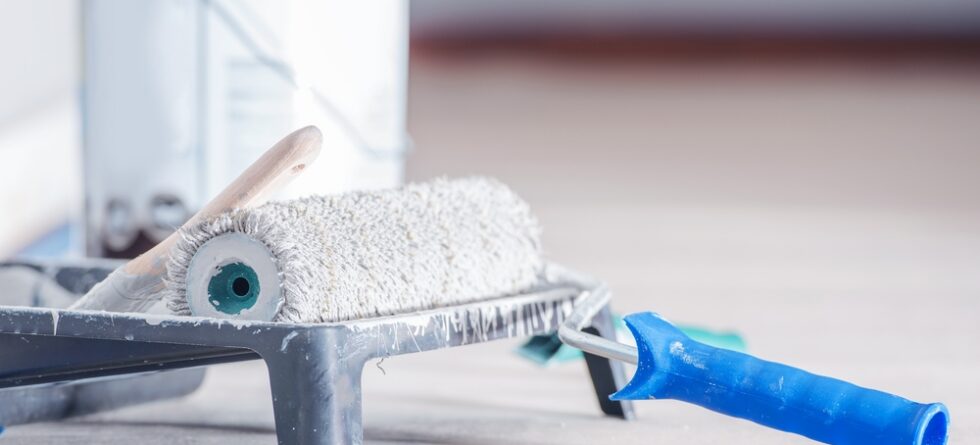
Brush and roller painting is the traditional method many homeowners know. Rollers are used for larger flat areas, while brushes are used for edges, corners, trim, and detailed spaces. This method gives painters more control and is often easier to manage in occupied homes.
Brush and roller painting may take more time, but it can be very reliable. It is often the preferred method for interior walls, ceilings, trim, touch-ups, and smaller rooms. It also works well when painters need to be careful around furniture, flooring, outlets, and fixtures.
When Brush & Roller Painting Works Best
Brush and roller painting works best for projects that need control and clean lines. It is ideal for indoor rooms, accent walls, small spaces, trim work, and areas where overspray would be a concern. It is also helpful when only part of a room or surface needs repainting.
This method usually requires less masking than spray painting. While floors and furniture still need protection, the paint is easier to control because it is applied directly to the surface.
Which Method Gives A Better Finish
Both methods can give a high-quality finish when done properly. Spray painting can create a smooth and polished surface with fewer visible marks. This is why it is often used on cabinets, doors, and certain exterior surfaces.
Brush and roller painting can also create a clean finish, especially on walls and ceilings. A roller gives good coverage, while a brush helps with detail work. The final result depends on surface preparation, paint quality, tool quality, and the skill of the painter.
Why Preparation Matters
No painting method can hide poor preparation for long. Surfaces should be cleaned, repaired, sanded, and primed when needed. If paint is applied over dirt, loose paint, cracks, or moisture, the finish may fail early.
Good preparation helps paint stick better and look smoother. It also helps the finished surface last longer, no matter which method is used.
Which Method Is Better For Your Home
Spray painting may be better for large projects, textured surfaces, exterior work, cabinets, doors, and spaces that can be fully protected. It is fast and can create a smooth finish, but it needs skill and careful setup.
Brush and roller painting may be better for indoor rooms, smaller projects, detailed areas, and homes with furniture or finished flooring nearby. It gives more control and can reduce the risk of unwanted paint on nearby surfaces.
Choosing A Painting Method
Spray painting and brush and roller painting both have a place in professional painting. Spray painting is fast, smooth, and useful for large or detailed surfaces. Brush and roller painting offers control, precision, and flexibility for many indoor projects.
The best choice depends on your project goals, surface condition, budget, and home setup. A skilled painting contractor can explain which method fits your space and why. With the right method, proper preparation, and quality materials, your paint job can look clean, fresh, and long-lasting.