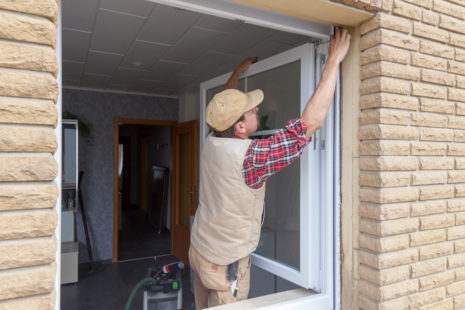

A professional painting estimate helps homeowners understand the full scope of a painting project before work begins. It explains what will be painted, how the work will be done, which materials may be used, and what the homeowner can expect from the contractor. A clear estimate is important because it helps prevent confusion, surprise costs, and misunderstandings during the project.
Painting may look simple from the outside, but a quality paint job includes many steps. Surfaces often need cleaning, repairs, sanding, priming, careful application, and cleanup. A professional estimate should show that the contractor has looked closely at the project and understands what is needed to complete the job properly.
Project Scope & Areas To Be Painted
One of the most important parts of a painting estimate is the project scope. This section explains which parts of the home will be painted. For interior projects, this may include walls, ceilings, trim, doors, cabinets, closets, or stairways. For exterior projects, this may include siding, shutters, fascia, soffits, porches, railings, decks, fences, or garage doors.
A detailed scope helps make sure the homeowner and contractor agree on the same work. Without clear details, one person may expect certain areas to be included while the other does not. This can lead to extra charges or unfinished expectations later.
Why Clear Scope Matters
A clear scope makes the estimate easier to compare with other quotes. If one contractor includes trim and another does not, the lower price may not be the better value. Homeowners should review exactly what is included before choosing a painter.
Surface Preparation Details
Surface preparation is a major part of a professional painting estimate. Good paint results depend on the condition of the surface before paint is applied. The estimate should explain how the contractor will prepare walls, trim, siding, or other surfaces.
Preparation may include washing surfaces, scraping loose paint, sanding rough areas, filling holes, repairing cracks, caulking gaps, removing mildew, or applying primer. These steps help paint stick better and create a smoother, longer-lasting finish.
Why Preparation Affects Quality
If preparation is skipped, the paint may peel, bubble, crack, or look uneven. A professional contractor should take time to explain what prep work is needed and why. This is especially important for older homes, damaged surfaces, or exterior areas exposed to the sun and moisture.
Paint Products & Materials
A professional estimate should include information about the paint and materials being used. This may include the paint brand, product type, finish, primer, caulk, patching materials, and other supplies. The right products can make a big difference in how the final paint job looks and performs.
Different areas of the home need different types of paint. Bathrooms and kitchens may need paint that handles moisture better. Trim and doors may need a more durable finish. Exterior surfaces need paint made to handle weather, sunlight, and temperature changes.
Why Paint Quality Matters
Higher quality paint often provides better coverage, stronger color, easier cleaning, and better durability. Cheap paint may save money at first, but it can fade, stain, or wear out sooner. A good estimate should help homeowners understand what they are paying for.
Labor & Application Process
The estimate should explain the labor involved in the project. This includes how the paint will be applied and what steps the crew will follow. Some projects may require brushing, rolling, spraying, or a mix of methods.
The application process can affect the final look. Clean lines, smooth coverage, and even coats require skill and patience. A professional estimate should reflect the time needed to complete the job with care instead of rushing through the work.
Repairs & Extra Work
Some painting projects need repairs before painting can begin. A professional estimate should explain which repairs are included and which may cost extra. This may include fixing drywall damage, replacing damaged trim, sealing cracks, repairing small holes, or addressing surface stains.
Clear repair details are helpful because hidden damage may not always be visible at first. If the contractor finds additional problems after work begins, the homeowner should understand how those changes will be handled.
How Repairs Protect The Paint Job
Painting over damaged surfaces can lead to poor results. Cracks, moisture marks, loose paint, and damaged wood can affect how the paint looks and lasts. Proper repairs help create a stronger foundation for the new finish.
Home Protection & Cleanup
A professional painting estimate should also explain how the contractor will protect the home during the job. Interior projects may require covering floors, furniture, counters, fixtures, and nearby belongings. Exterior projects may require protecting plants, walkways, windows, roofing, and outdoor furniture.
Cleanup should also be included. A professional crew should remove paint materials, coverings, tape, and debris when the work is complete. The home should be left clean and ready to enjoy.
Timeline & Payment Terms
The estimate should include an expected timeline for the project. This helps homeowners plan around the work. The timeline may depend on project size, surface condition, weather, drying time, and the number of painters on the crew.
Payment terms should also be clear. The estimate should explain the deposit, progress payments, final payment, and accepted payment methods. Clear payment details help prevent confusion and protect both the homeowner and the contractor.
Warranty Or Workmanship Guarantee
A professional painting estimate may include information about a warranty or workmanship guarantee. This explains what the contractor will cover if problems appear after the job is finished. It may include issues related to peeling, flaking, or poor application.
Homeowners should read this section carefully. A warranty can provide peace of mind, but it is important to understand what is included and what is excluded.
Painting Estimates
A professional painting estimate should include more than a final price. It should explain the scope of work, preparation, materials, repairs, labor, protection, cleanup, timeline, payment terms, and any warranty details.
Taking time to review the estimate can help homeowners choose the right contractor with more confidence. A clear and detailed estimate shows professionalism, reduces surprises, and helps create a smoother painting project from start to finish.