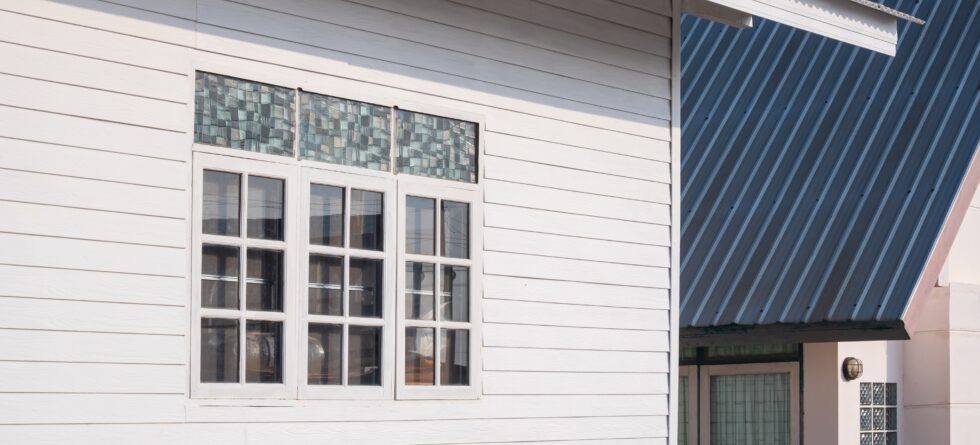
Wood siding gives a home a warm, classic, and natural look, but it also needs the right paint protection. Unlike some other exterior materials, wood can absorb moisture, expand, shrink, and react to changing weather. Because of this, choosing the best paint for wood siding is important for both appearance and long-term protection.
The best paint for wood siding is usually a high-quality exterior acrylic latex paint. This type of paint is flexible, durable, and made to handle outdoor conditions. It can move with the wood as temperatures and moisture levels change, which helps reduce cracking, peeling, and early paint failure.
Why Exterior Acrylic Latex Paint Is A Strong Choice
Exterior acrylic latex paint is often recommended for wood siding because it offers a good balance of protection, flexibility, and easy maintenance. Wood naturally expands and contracts as the weather changes. A flexible paint helps stay bonded to the surface instead of becoming brittle too quickly.
This type of paint also holds color well and resists fading better than many lower-quality options. It can protect wood siding from sunlight, rain, humidity, dirt, and daily outdoor exposure. When applied over a properly prepared surface, it can create a clean finish that lasts longer.
Why Flexibility Matters For Wood
Wood is not a completely still surface. It reacts to moisture, heat, cold, and sunlight. If the paint is too rigid, it may crack as the wood moves. A flexible exterior paint helps reduce this problem and keeps the siding better protected.
Flexibility is especially important in areas with seasonal weather changes. A paint that can handle movement is more likely to stay smooth and attractive over time.
Why Primer Is Important For Wood Siding
Primer is often needed before painting wood siding, especially if the wood is bare, stained, weathered, or repaired. Primer helps seal the surface and creates a better base for the paint. It can also help reduce uneven absorption, which is common with wood.
Without primer, paint may soak into the wood unevenly. This can lead to dull color, patchy coverage, or weak adhesion. A good exterior primer can help the topcoat look smoother and last longer.
When To Use a Stain-Blocking Primer
Some woods contain natural tannins that can bleed through paint and create brown or yellow stains. A stain-blocking primer can help prevent this problem. It is especially useful for certain wood types, knots, and areas with old stains.
Using the right primer before painting can save time and prevent discoloration later. It also helps protect the wood from moisture and surface damage.
Choosing The Right Paint Finish
The paint finish affects both the look and performance of wood siding. Satin and low sheen finishes are common choices for exterior siding because they provide a clean look while still offering some durability. They can also make the siding easier to clean compared with very flat finishes.
Glossy finishes may highlight surface flaws, while very flat finishes may hold dirt more easily. A balanced finish can help the siding look natural while still giving enough protection for outdoor conditions.
Trim & Doors May Need A Different Finish
Wood trim, doors, shutters, and other details may benefit from a slightly more durable finish than the main siding. These areas are touched more often and may collect more dirt. A stronger finish can help them stand up better to wear.
Surface Preparation Matters Most
Even the best paint will not perform well on wood siding that is dirty, damp, peeling, or damaged. Before painting, the siding should be cleaned and allowed to dry fully. Loose paint should be removed, rough areas should be sanded, gaps should be caulked, and damaged boards should be repaired.
Wood siding must be dry before paint is applied. Painting over moisture can trap water under the paint and lead to peeling, bubbling, mildew, or wood damage. Proper preparation gives the paint a stronger surface to bond to.