
Caulking is one of the most important preparation steps before exterior painting. It helps seal gaps, cracks, and joints around the outside of a home so paint can protect the surface more effectively. Without proper caulking, water, air, dust, and insects can enter small openings and cause damage over time.
Many homeowners focus on paint color, finish, and brand, but the preparation work underneath the paint is just as important. A fresh coat of paint may look good at first, but if gaps are not sealed, moisture can get behind the paint and weaken the finish. Caulking helps create a cleaner, tighter, and more durable exterior before painting begins.
Caulking Helps Keep Moisture Out
Moisture is one of the biggest reasons exterior paint fails early. Rain, humidity, melting snow, and sprinkler water can enter small cracks around trim, siding, windows, doors, and seams. Once water gets behind the painted surface, it can cause peeling, bubbling, stains, mildew, and wood damage.
Caulking helps block those entry points. It creates a flexible seal that reduces the chance of water reaching vulnerable areas. This is especially important around places where different materials meet, since those joints can expand and shift with weather changes.
Why Water Protection Matters
Paint can protect a home, but it cannot fully seal open gaps by itself. If water keeps entering behind the surface, even high quality paint may not last as long as expected. Caulking gives the paint job a stronger foundation by helping keep the surface dry and stable.
Caulking Creates A Cleaner Finished Look
Caulking also improves the appearance of an exterior paint job. Open gaps, cracked seams, and uneven joints can make a home look unfinished, even after new paint is applied. Smooth caulk lines help trim, siding, doors, and window frames look more polished.
When caulking is done carefully, the finished paint job looks cleaner and more professional. It helps remove dark shadow lines and rough spaces that can distract from the new color. This small detail can make a big difference in curb appeal.
Where Caulking Is Often Needed
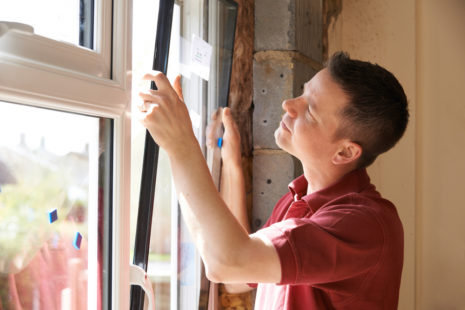
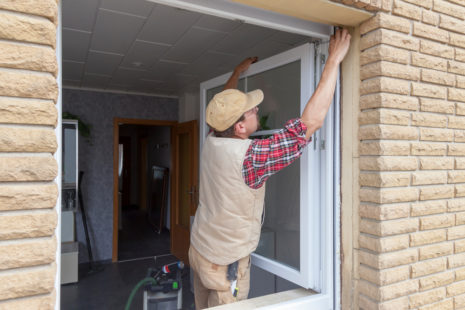
Common areas that may need caulking include window frames, door frames, siding joints, trim edges, fascia boards, corner boards, and small gaps around exterior details. These areas should be checked before painting so the surface can be properly sealed.
Not every gap should be caulked. Some areas are designed to allow drainage or airflow. A professional painter can identify which joints should be sealed and which should be left open.
Caulking Helps Paint Last Longer
A strong paint job depends on a clean, dry, and well-prepared surface. Caulking supports this by helping prevent moisture from reaching areas where paint can lose adhesion. When paint bonds to a stable surface, it is more likely to last longer and look better over time.
Cracked or missing caulk can allow water to enter behind trim and siding. As the material expands, contracts, or weakens, the paint may begin to crack or peel. Replacing old caulk before painting helps reduce this risk and protects the value of the project.
Old Caulk Should Be Checked Carefully
Old caulk can become hard, cracked, loose, or separated from the surface. Painting over damaged caulk does not fix the problem. Weak caulk should be removed and replaced before paint is applied.
Fresh caulk should also be allowed to dry properly before painting. If paint is applied too soon, the finish may not look smooth or may not bond well.
Caulking Improves Energy Comfort
Caulking can also help improve comfort inside the home. Gaps around windows, doors, and trim can allow outside air to enter. This can make rooms feel drafty and may make heating or cooling systems work harder.
Sealing gaps before painting helps create a tighter exterior. While caulking is mainly part of paint preparation, it can also support better comfort by reducing unwanted airflow around the home.