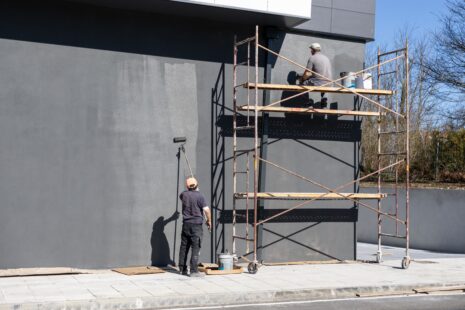
Yes, you can paint over old exterior paint if the existing paint is still in good condition. The surface must be clean, dry, firm, and properly prepared before new paint is applied.…
Brick is one of the most classic exterior materials for residential homes. It can give a house warmth, texture, and long-lasting curb appeal. Some homeowners love the timeless look of natural brick,…
Wood siding gives a home a warm, classic, and natural look, but it also needs the right paint protection. Unlike some other exterior materials, wood can absorb moisture, expand, shrink, and react…
Sun damage is one of the most common reasons exterior paint fades, cracks, and wears out over time. A home’s exterior is exposed to sunlight day after day, and strong rays can…
Caulking is one of the most important preparation steps before exterior painting. It helps seal gaps, cracks, and joints around the outside of a home so paint can protect the surface more…
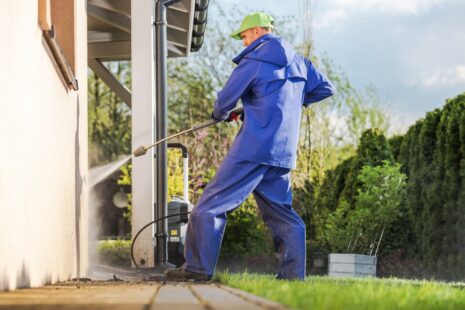
Pressure washing is an important step before exterior painting because paint needs a clean surface to stick properly. Over time, the outside of a home collects dirt, dust, pollen, mildew, algae, cobwebs,…
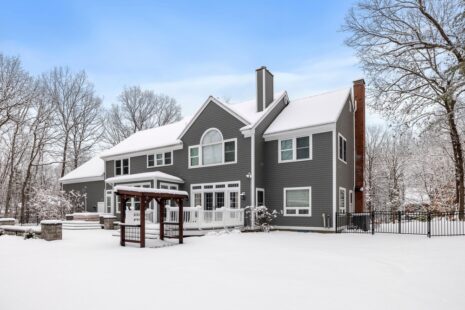
Exterior painting needs the right weather to create a smooth and lasting finish. When temperatures drop too low, paint may not spread, dry, or bond properly. This can lead to peeling, cracking,…
Exterior painting depends heavily on weather conditions. Temperature, sunlight, humidity, wind, and surface heat all affect how paint spreads, dries, and bonds. When it is too hot outside, paint can dry too…