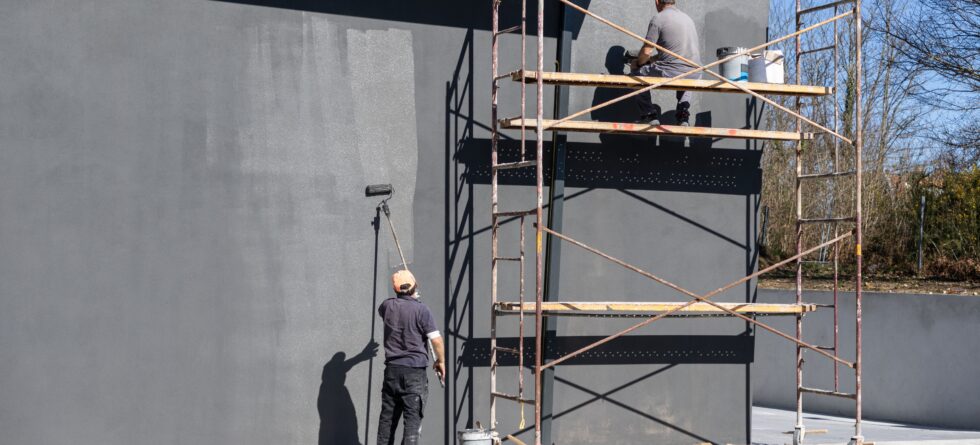
Exterior painting depends heavily on weather conditions. Temperature, sunlight, humidity, wind, and surface heat all affect how paint spreads, dries, and bonds. When it is too hot outside, paint can dry too quickly and may not form a smooth, durable finish. This can lead to uneven coverage, brush marks, lap lines, peeling, cracking, or early fading.
Many homeowners think a sunny day is always the best time to paint outside. While dry weather is important, extreme heat can create problems. The air temperature may seem acceptable, but the surface temperature of siding, trim, doors, or shutters can become much hotter under direct sunlight. This is why painters must consider both the weather and the surface before starting.
Why Extreme Heat Can Damage A Paint Job
Paint needs time to flow, level, dry, and cure properly. When the temperature is too hot, the paint may dry on the surface before it has enough time to bond well. This can create a weak finish that looks rough or uneven.
Hot weather can also make paint harder to apply. It may become sticky, thick, or difficult to spread. Painters may notice visible roller marks, brush lines, or uneven sheen. These problems can make the finished surface look rushed, even when quality paint is used.
Surface Heat Matters
The outside wall of a home can become much hotter than the air around it. Dark siding, metal surfaces, and areas in direct sunlight can hold a lot of heat. If paint is applied to a hot surface, it may dry too fast and fail to attach properly.
A professional painter will often touch or test the surface before painting. If the surface feels hot, it is usually better to wait until it cools or move to a shaded side of the home.
Signs It May Be Too Hot To Paint
There are several warning signs that outdoor painting conditions may be too hot. Paint may start drying almost as soon as it touches the surface. It may drag under the brush or roller instead of spreading smoothly. The finish may look streaky, patchy, or uneven.
Another sign is strong direct sunlight on the painting area. Even if the weather feels comfortable in the shade, surfaces in full sun can become too warm. Wind can make the issue worse by drying paint even faster.
Humidity Can Add More Problems
Hot weather and humidity can make exterior painting more difficult. High humidity can slow curing, while strong heat can dry the surface too quickly. This uneven drying process may affect the strength and appearance of the paint film.
Moisture in the air can also increase the chance of mildew concerns in some areas. This is why dry, mild, and stable weather is better than hot and heavy air.
Best Time Of Day For Hot-Weather Painting
During warm seasons, the best time to paint is often early in the day, after morning moisture has dried. Painters may also work on shaded areas and move around the home as the sun changes position. This helps avoid direct sunlight and overheated surfaces.
Late afternoon can sometimes work, but painters must make sure there is enough time for the paint to dry before evening moisture settles. Painting too late can expose fresh paint to dew, cooler air, or damp conditions before it is ready.
Follow The Shade
One helpful strategy is to follow the shade around the home. This means painting areas that are protected from direct sun instead of forcing work on hot walls. Shaded surfaces are usually cooler and allow paint to dry more evenly.
This approach can improve the finish and reduce stress on the paint. It also helps painters work more safely and comfortably during warmer weather.
How To Protect Your Exterior Paint Job
To protect your paint job, avoid painting during extreme heat, strong sunlight, high wind, or damp conditions. Make sure surfaces are clean, dry, and properly prepared before paint is applied. Dirt, peeling paint, cracks, and moisture can all weaken the final result.
Choosing the right paint also matters. Exterior paint should match the surface, climate, and project needs. Some products perform better in warm weather, but every paint still has limits. Always follow the product guidance for safe application conditions.