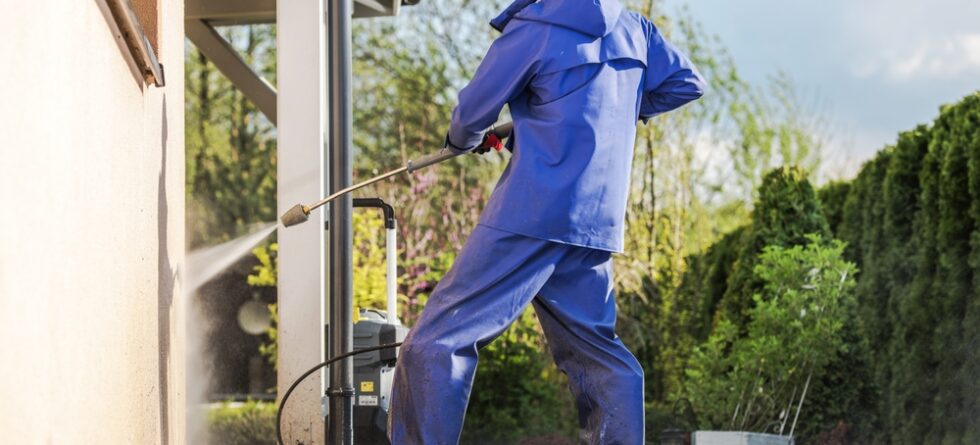
Pressure washing is an important step before exterior painting because paint needs a clean surface to stick properly. Over time, the outside of a home collects dirt, dust, pollen, mildew, algae, cobwebs, chalky residue, and other buildup. If these materials are left on the surface, the new paint may not bond well.
Many homeowners focus on paint color and product choice, but surface cleaning is just as important. Even high-quality paint can fail early if it is applied over a dirty or weak surface. Pressure washing helps remove buildup so the paint can create a smoother, stronger, and longer-lasting finish.
Pressure Washing Removes Dirt & Grime
Exterior surfaces are exposed to the weather every day. Wind, rain, sunlight, insects, and nearby trees can leave a layer of grime on siding, trim, shutters, doors, porches, and fences. This buildup may not always be easy to see, but it can still affect the final paint job.
When paint is applied over dirt, it sticks to the dirt instead of the surface underneath. As the dirt loosens later, the paint can peel or flake away. Pressure washing helps create a cleaner base before painting begins.
Why A Clean Surface Matters
A clean surface helps paint spread more evenly and bond more securely. It also helps the final color look smoother and more consistent. When the surface is clean, the paint can do its job better and protect the home more effectively.
Pressure Washing Helps Remove Mildew & Algae
Mildew and algae are common on exterior surfaces, especially in shaded or damp areas. They may appear as dark spots, green patches, or a dirty film. Painting over mildew or algae can lead to poor results because the growth may continue under the paint.
Pressure washing can help remove these problem areas before painting. In some cases, a proper cleaning solution may also be needed to treat mildew safely. Once the growth is removed and the surface is dry, the paint has a better chance of lasting.
Why Moisture Problems Should Be Checked
If mildew returns often, there may be too much moisture around the home. Poor drainage, overgrown plants, clogged gutters, or sprinklers hitting the siding can all add moisture. Fixing these issues before painting can help protect the new finish.
Pressure Washing Reveals Surface Problems
Cleaning the exterior can make hidden problems easier to see. Loose paint, cracks, soft wood, damaged caulk, and weak siding may become more noticeable after the surface is washed. This gives homeowners and painters a chance to fix problems before paint is applied.
Painting over damaged areas may hide them for a short time, but it will not solve the issue. Repairs should be made before painting so the new finish has a solid surface underneath.
Why Repairs Come Before Paint
Paint works best when the surface is stable and dry. If damaged areas are ignored, the paint may crack, peel, or fail sooner. Pressure washing helps prepare the home for a more careful inspection and better repair work.
Pressure Washing Improves Paint Adhesion
Adhesion means how well paint sticks to a surface. Good adhesion is one of the main reasons a paint job lasts. Pressure washing helps remove the loose materials that can prevent paint from bonding properly.
Chalky residue is a common issue on older painted surfaces. It can feel powdery when touched. If this residue is not removed, new paint may not hold well. Washing the surface helps reduce this problem and gives the paint a stronger base.
Surfaces Must Dry Before Painting
Pressure washing is helpful, but painting should not begin while the surface is still wet. Moisture trapped under paint can cause bubbling, peeling, stains, or weak adhesion. The home should be allowed to dry fully before primer or paint is applied.
Drying time depends on weather, humidity, sunlight, airflow, and the type of surface. Wood, cracks, and shaded areas may hold moisture longer. A professional painter will wait until the surface is ready before applying paint.
Pressure Washing Must Be Done Carefully
Pressure washing should be done with the right amount of pressure. Too much force can damage siding, wood, trim, windows, screens, or caulking. The goal is to clean the surface, not harm it.
Different surfaces need different cleaning methods. Vinyl, wood, stucco, brick, and painted trim may each require a careful approach. When done correctly, pressure washing supports a better paint job and helps protect the home.